Industrial Diaphragm Valves in India

Diaphragm valve is generally manually or automatically operated and has a diaphragm as a shutting tool. It can isolate or obstruct or throttle the flow of fluids. This valve opens up rapidly.


The flexible diaphragm is tensed with the aid of a compressor which moves straight so as to come in touch with the seal of the body. As all the functioning parts of this valve do not contact the flow, it is very apt for regulating the flow of corrosive, abrasive fluids. They are made up of a variety of raw-materials such as Cast Iron, S.G. Iron, Cast Carbon Steel, Steel Alloy, Stainless Steel etc.


Our valves are precisely engineered. We offer excellently performing valves made of excellent quality raw-materials, hence they are very hard-wearing. Our QC Department checks every batch of our products for their reliability as well as consistency.
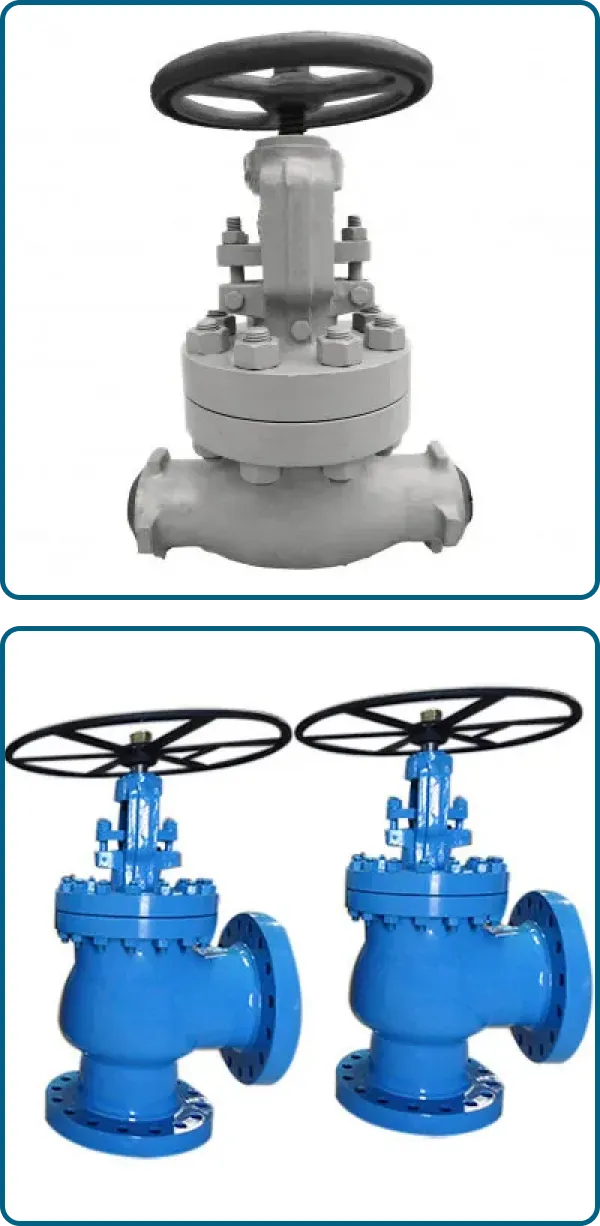
knife-gate-valve

Salient features :

  • High tensile strength
  • Hard-wearing
  • Reliable
  • Consistent
  • Precise in dimensions
  • Seamless finishing

Applications :

  • Water treatment plant
  • Effluent treatment plant
  • Desalination plant
  • Power plant
  • Chemical industry
  • Fertilizer industry
  • Bio-pharmaceutical industry
  • Beverage Industry

Diaphragm Valve - Technical Specification
Size Range 15 NB
through
200 NB
Pressure Rating ANSI - 150#
Type Screw Down - Fully
Rubber lined / Unlined Body
End Connection Flanged and Threaded
Operation Hand wheel / Pneumatic Actuator
Port Opening Full
Seat Soft - Integral
Rubber
Disc Equivalent Body Material with Rubber Lining / PTFE Lamination
Gasket & Packing N.A
MOC Refer Material Chart
Design Code BS - 5156
Testing API - 598
Inspection 3rd Party / Client / Manufacturer

Frequently Asked Questions

1. What is a Diaphragm Valve? + A Diaphragm Valve is an industrial valve used to control, regulate, or isolate the flow of liquids, gases, slurries, and corrosive media. It uses a flexible diaphragm that moves against a valve seat to provide reliable flow control and shut-off.
2. Where are Diaphragm Valves commonly used? + Diaphragm Valves are commonly used in chemical processing, pharmaceutical, food and beverage, water treatment, wastewater treatment, mining, pulp and paper, and other industries requiring reliable handling of corrosive or contaminated media.
3. What are the main advantages of Diaphragm Valves? + Diaphragm Valves provide reliable shut-off, excellent sealing, low maintenance, and good resistance to corrosive and contaminated fluids. The diaphragm separates the operating mechanism from the process media, helping reduce contamination and corrosion of internal components.
4. Can Diaphragm Valves handle corrosive and abrasive media? + Yes, Diaphragm Valves can handle many corrosive, abrasive, and contaminated media when the correct diaphragm and body materials are selected. Material selection should be based on the chemical composition, temperature, pressure, and characteristics of the process media.
5. How does a Diaphragm Valve operate? + A Diaphragm Valve operates by moving a flexible diaphragm toward or away from the valve seat. When the diaphragm presses against the seat, the flow is stopped. When it moves away from the seat, the passage opens and allows the process media to flow.
6. What maintenance is required for a Diaphragm Valve? + Regular maintenance includes inspecting the diaphragm, valve body, seat, stem, and sealing components for wear or damage. Removing deposits and checking for leakage and smooth opening and closing operation helps maintain reliable performance and extend service life.
Request A Quote