Resilient Seated Knife Gate Valve Manufacturer in Ahmedabad

The Resilient Seated Knife Gate Valve from Controtek Global is made to offer dependable, leak-proof shut-off in harsh industrial settings where managing slurries, abrasive fluids, and solids-laden media is crucial. These valves, which have a sturdy elastomeric seat, cushion the gate to provide superior sealing performance, reducing wear and extending valve life. The flexible seat material is perfect for processes that need reliable isolation because it guarantees bubble-tight closure even at low pressure. The valve's sturdy knife gate mechanism effectively removes suspended solids and thick media, avoiding clogging and guaranteeing smooth operation.
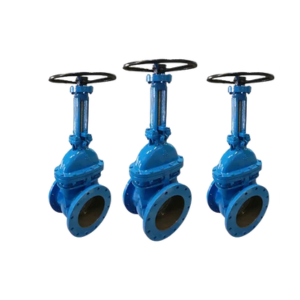
Cast Iron Knife Gate Valve

Features of Resilient Seated Knife Gate Valve

  • dependable when working with brine, seawater, and high-chloride conditions.
  • Good for thick food-grade fluids, molasses, and syrup.
  • Easy and seamless valve operation is ensured by low operating torque.
  • The flexible seat design lessens the need for maintenance by absorbing wear.
  • Tight shut-off in both flow directions is made possible by bi-directional sealing.

Applications of Resilient Seated Knife Gate Valve

  • Waste-to-Energy Facilities and Biogas
  • Offshore and Marine Installations
  • Fine and Pharmaceutical Chemicals
  • Systems for Bulk Handling in Agriculture and Irrigation
  • Operations of Underground Mining
Resilient Seated Knife Gate Valve - Technical Specification
Manufacturer Controtek Global
Valve Type Resilient Seated Knife Gate Valve
Body Material Stainless Steel (SS304, SS316), Carbon Steel (ASTM A216 WCB), or Duplex Stainless Steel
Gate Material Stainless Steel or Carbon Steel
Seat Material Resilient Elastomers: EPDM, NBR, or similar elastomeric compounds
Size Range 2” to 48” (DN50 to DN1200)
Pressure Rating ANSI Class 150, 300, 600 (based on size and application)
Temperature Range -29°C to +120°C (-20°F to +250°F), depending on seat material
End Connections Wafer, Lug, Flanged (ANSI B16.5), or Custom
Operation Type Manual, Pneumatic, Electric Actuation
Stem Type Rising or Non-Rising Stainless Steel Stem
Stem Packing PTFE, Graphite, or combination for effective sealing
Leakage Class Class VI (bubble-tight shut-off)
Face-to-Face Dimensions As per MSS-SP-81 / Manufacturer Standard
Mounting Standard ISO 5211 compliant for actuator mounting
Testing Standards API 598, MSS-SP-81, EN 12266-1 (Shell and Seat Leakage Tests)
Coating (Optional) Epoxy or other protective coatings available
Weight Varies depending on size and material
Applications Mining, Chemical, Water & Wastewater Treatment, Pulp & Paper, Food & Beverage, Petrochemical

Frequently Asked Questions

1. What is a Resilient Seated Knife Gate Valve? + A Resilient Seated Knife Gate Valve is an industrial valve designed to control or isolate the flow of liquids, slurries, and other media. It uses a flexible resilient seat that provides effective sealing when the knife gate is in the closed position.
2. Where are Resilient Seated Knife Gate Valves commonly used? + Resilient Seated Knife Gate Valves are commonly used in wastewater treatment, water treatment, mining, pulp and paper, chemical processing, food processing, and slurry handling applications where dependable isolation is required.
3. What are the main advantages of Resilient Seated Knife Gate Valves? + These valves offer reliable shut-off, good sealing performance, compact construction, low maintenance requirements, and resistance to many operating conditions. The resilient seat helps provide tight closure and reduces the possibility of leakage.
4. Can Resilient Seated Knife Gate Valves handle slurry and abrasive media? + Yes, they can be used for many slurry and abrasive media applications when the appropriate seat, gate, and body materials are selected. The knife-edge gate helps cut through challenging media and provides effective pipeline isolation.
5. How does a Resilient Seated Knife Gate Valve operate? + The valve operates by moving a knife gate vertically between the open and closed positions. When closed, the gate presses against the resilient seat to create a tight seal and stop the flow through the pipeline.
6. What maintenance is required for a Resilient Seated Knife Gate Valve? + Regular maintenance includes inspecting the resilient seat, knife gate, stem, packing, and other sealing components for wear or damage. Removing accumulated debris and checking smooth valve operation can help maintain reliable performance and extend service life.
Request A Quote